Designing for Digital Wellbeing
Exploring research areas of digital delight and creating POCs

The brief of this apprenticeship was to elevate everyday phone interactions that cause frustration into positive experiences.
This project is under NDA, get in touch to know more: vaidehi.shirsath@gmail.com
Design Research
UI/UX Design
Methodology
Secondary research
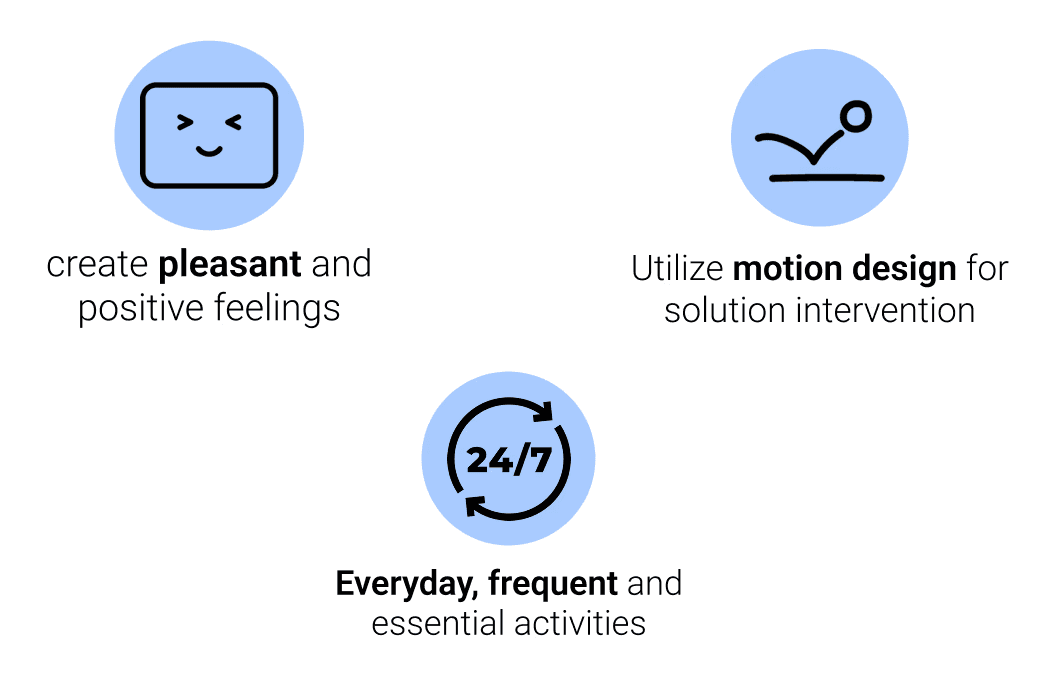
Understanding Pleasantness and Delight in UX Design
Understand anxiety-inducing and boring tasks
Motion as a problem-solving tool
Nostalgia and personalisation in UX
Insights and opportunities
Primary research - 2
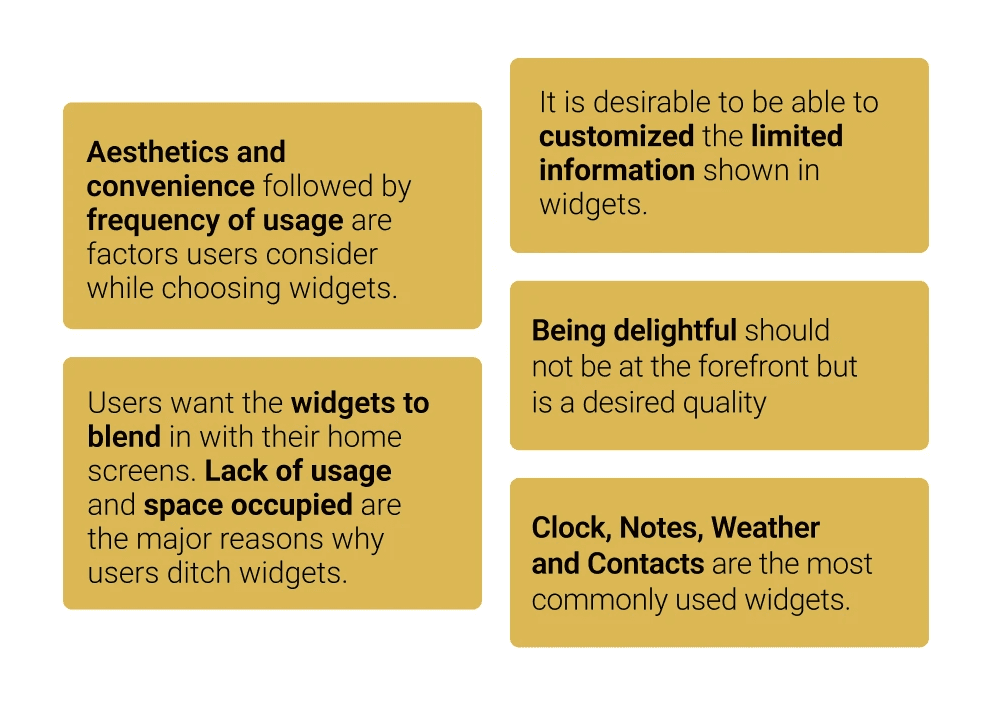
Here, we used surveys and user interviews to identify (1) widget usage patterns, (2) common design practices and (3) desirable features.
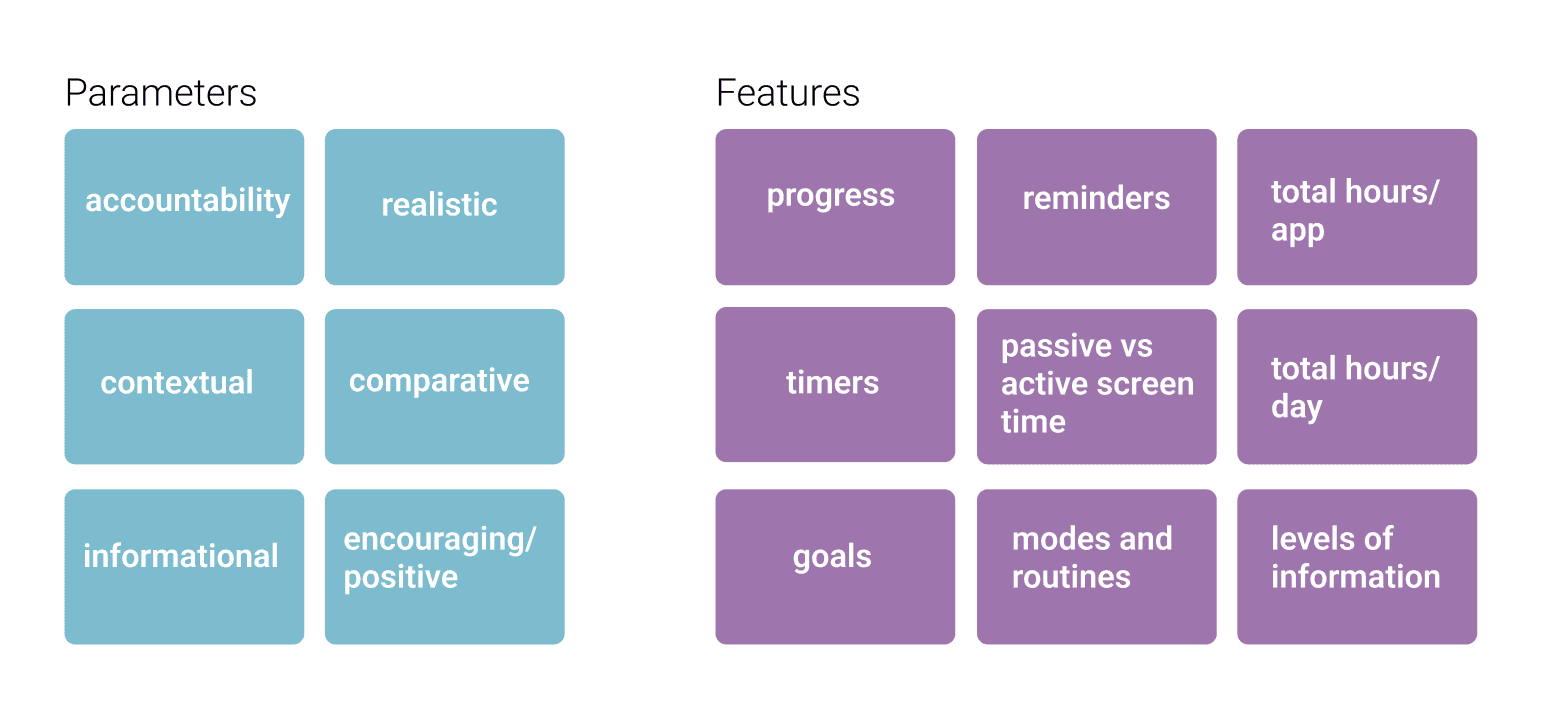
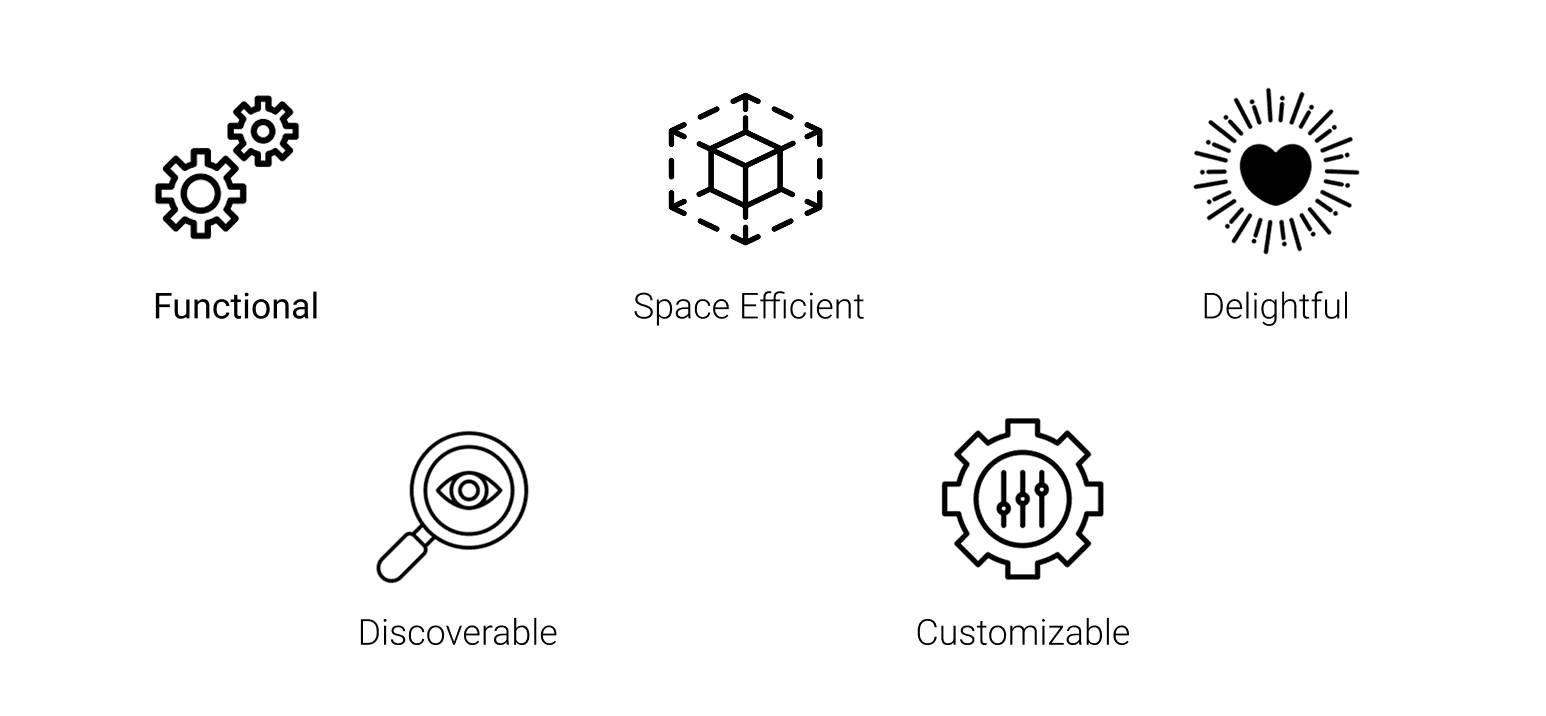
Features & Parameters (of widgets)
Problem Area: Digital wellbeing
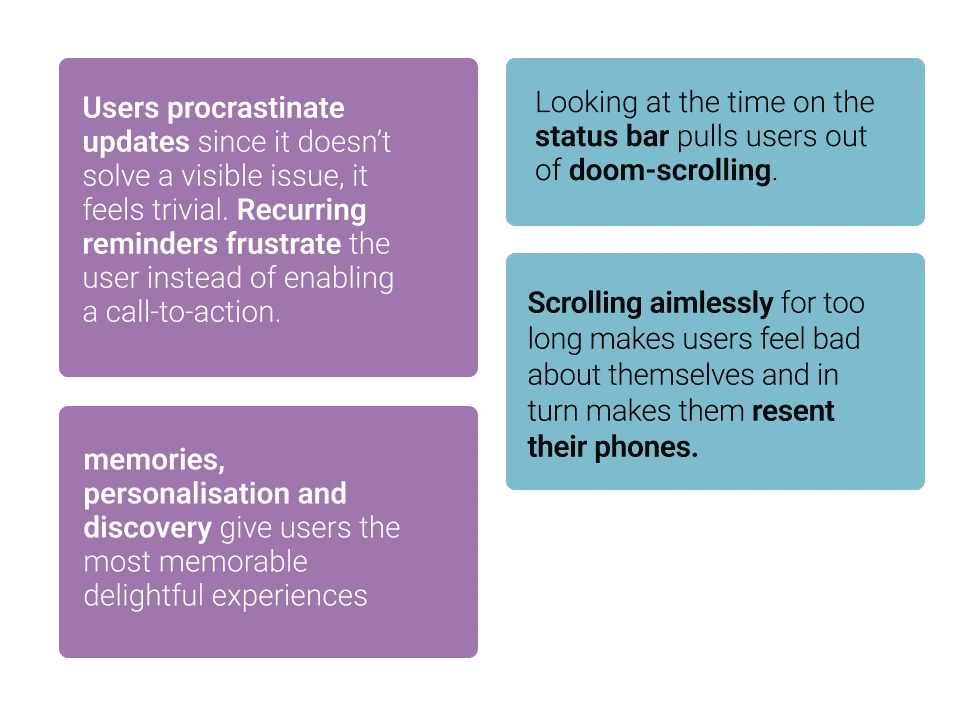
Users actively manage screentime
They frequently use digital well-being tools and third-party apps to control their usage.Gen Alpha parents worry about screentime
Parents express concern about their children's device use, particularly post-COVID.Screentime widgets trigger guilt
Users who try limiting screentime often abandon widgets as they evoke anxiety and guilt.Doomscrolling breeds negative associations
Guilt and anxiety from excessive app-switching make users view phones as harmful to productivity and health.Screentime data lacks motivation
Viewing screentime stats doesn't prompt action; users feel initial anxiety but quickly become desensitized to the numbers.
Ideation and Rapid Prototyping
The following considerations were made during ideation and prototyping. A solution matrix was used to generate ideas and map them across parameters and features.